
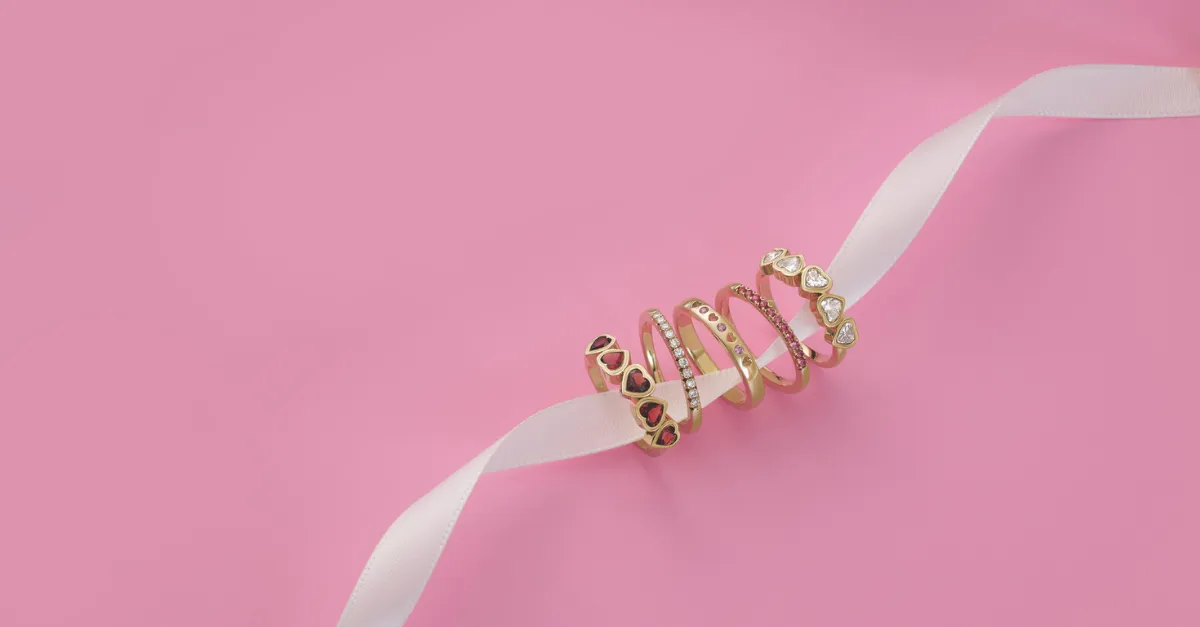
Most gold jewelry in a typical display case is 10K, 14K, or 18K. Each grade looks, wears, and ages differently, and the best choice depends on how often you plan to wear the piece. Knowing the differences before you buy helps you spend wisely and avoid disappointment later.
What the Karat Number Tells You
Pure gold is 24 karat. It is also soft, too soft for a ring that goes to work, the gym, and the garden. Jewelers blend it with metals such as copper, silver, zinc, or palladium to add strength, and the karat number tells you how many of 24 parts are pure gold.
- 10K: about 41.7% pure gold
- 14K: about 58.3% pure gold
- 18K: 75% pure gold
There are rules behind those stamps. Federal jewelry marketing guidelines treat it as deceptive to call an alloy "gold" unless its karat is stated right beside the word, just as prominently. That is why you will find marks such as "14K" or "585" inside a band or near a clasp.
How Each Karat Handles Daily Wear
10K Gold
10K contains the most alloy, which makes it the hardest and most scratch-resistant of the three. It is also the least expensive. The color is a paler yellow, though, and the higher share of base metals can bother people with sensitive skin.
That durability makes 10K a practical option for gold chains worn every day under shirts and against seat belts.
14K Gold
This grade sits in the middle. It holds a warm, recognizable gold color while staying hard enough for years of regular wear.
At Jim's Jewelers, 14K is the grade we suggest most often for pieces that will be worn daily.
It's well suited to gold fashion rings, which take more knocks than any other type of jewelry. Hands hit doorframes, grocery carts, and countertops all day long, and a ring needs metal that can absorb some of that without bending or showing every scuff.
18K Gold
18K has a deep, rich yellow that many people prefer. But more gold means softer metal. Scratches appear sooner, and prongs and thin shanks wear down faster on pieces worn every day.
It shines in hoop earrings and pendants, which rarely come into contact with hard surfaces.
Color, Alloys, and Sensitive Skin
Choosing between yellow, white, and rose gold is partly a matter of taste and partly a matter of chemistry. Rose gold gets its pink tone from added copper. White gold usually contains nickel or palladium and is finished with rhodium plating, which wears thin and needs to be reapplied every so often.
Nickel is a common cause of contact allergies. If you have reacted to costume jewelry or belt buckles in the past, a few choices can help:
- Choose a higher karat, which contains less alloy
- Ask whether a white gold piece uses palladium instead of nickel
- Stick with yellow gold, which typically contains no nickel
Price, Care, and Repair
Karat is only part of the price. Gold value depends on both purity and weight, so a heavy 10K chain can cost more than a delicate 18K pendant.
Gold does not rust, but it does pick up a film from lotion and soap, and chlorine can weaken some alloys over time. Simple jewelry care habits go a long way, like removing rings before swimming and storing pieces separately so they don't scratch one another.
Even well-made 14K jewelry wears with age. Prongs thin out, clasps loosen, and ring shanks get thinner at the bottom. Timely jewelry repairs such as re-tipping prongs or rebuilding a shank can keep a piece in service for decades.
Shoppers comparing gold jewelry in Smith County, Texas do well to see pieces in person, since the color difference between karats is easier to judge in hand than on a screen.
Finding the Right Karat
If you are shopping for gold jewelry in Smith County, Texas, our team can set 10K, 14K, and 18K pieces side by side and talk through how each will hold up to the way you live. Stop by our Tyler showroom or contact us to set up a time that works for you.